Oguaa Fetu Afahye: A Celebration of Heritage, Gratitude and Unity
Posted by TWR Publications
1 month ago
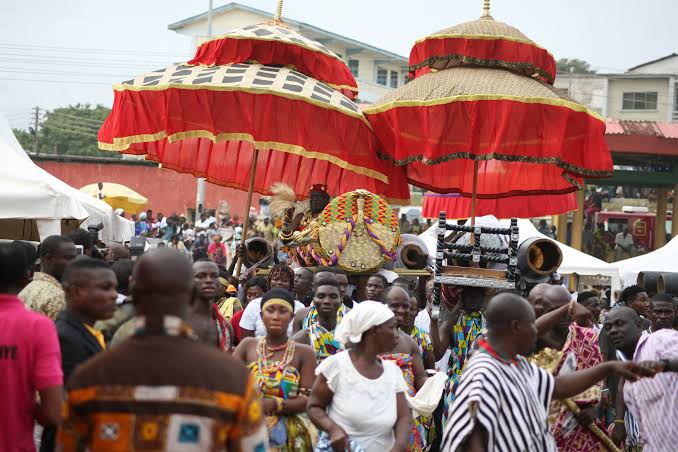
Every year, as the people of Cape Coast prepare for the Oguaa Fetu Afahye, the city takes on a different character. Streets become busier, traditional leaders prepare for important ceremonies, families return home, and the sounds of drums and cultural performances begin to fill the air. But beneath the colourful celebrations is a much deeper story — one of survival, thanksgiving and the preservation of Oguaa's identity.
Fetu Afahye is one of the most important traditional festivals celebrated by the people of Oguaa, now known as Cape Coast. For generations, the festival has served as an opportunity for the people to remember their past, give thanks for the protection and wellbeing of the community, and ask for blessings for the future.
The story behind the festival is closely connected to a difficult period in the history of Oguaa. Tradition holds that the community once experienced a devastating outbreak of disease and other hardships. Faced with a situation that threatened the wellbeing of the people, the community sought help through traditional spiritual practices. Rituals and sacrifices were performed, and when the situation eventually improved, the people expressed their gratitude by establishing a festival to mark their deliverance.
This history gives Fetu Afahye a meaning that goes far beyond entertainment. It represents the idea of cleansing the community, leaving behind difficulties and beginning again with hope. The festival therefore became an important part of the spiritual and cultural life of Oguaa.
Before the colourful celebrations begin, there is a period of preparation and solemnity. The traditional authorities observe certain restrictions as part of the spiritual process. Activities such as drumming and fishing in the Fosu Lagoon are temporarily restricted. These practices create an atmosphere of quietness and reflection, reminding the people that the festival is not simply about dancing and celebration.
At the centre of these traditional activities is the Omanhen of Oguaa, together with the traditional council and other custodians of the culture. Their participation reflects the important role of traditional leadership in preserving the customs and values associated with the festival.
When the period of spiritual preparation ends, the mood of Cape Coast changes completely. The city becomes a meeting place for tradition, music, colour and community. One of the important activities is the communal cleaning exercise. Residents come together to clean their surroundings, an activity that carries both a practical and symbolic meaning. It represents the removal of dirt and negativity and the preparation of the community for a new beginning.
The Asafo companies also bring a unique energy to the festival. Dressed in colourful traditional clothing and accompanied by drums and other forms of music, they display the strength and historical importance of the traditional warrior groups. Their participation keeps alive an important part of Oguaa's history while adding excitement to the celebrations.
Another major attraction is the durbar of chiefs. Traditional leaders gather in their colourful regalia, surrounded by members of their communities and visitors. Beyond the pageantry, the durbar provides an opportunity for traditional leaders to speak to their people about matters affecting the community and to encourage unity and development.
Religion also has a place in the modern celebration of Fetu Afahye. The thanksgiving service reflects the changing nature of Ghanaian society, where traditional customs and Christianity often exist alongside one another. For many people, the service provides another opportunity to express gratitude and seek God's guidance for the community.
However, the survival of Fetu Afahye has not always been easy. Like many traditional practices, the festival experienced challenges during the colonial period, when aspects of indigenous culture faced pressure and restrictions. Yet the people of Oguaa continued to hold on to their traditions. Their determination helped preserve the festival and allowed it to develop into the major cultural celebration it is today.
In modern times, Fetu Afahye has grown beyond the boundaries of Cape Coast. People travel from different parts of Ghana and from outside the country to take part in the celebrations. For those living away from home, the festival provides an opportunity to return to their roots, meet family members and reconnect with the culture of their ancestors.
The festival also has an important social and economic impact. Businesses benefit from the increased number of visitors, while local artisans, food vendors, transport operators and other service providers have opportunities to earn income. At the same time, the attention given to Cape Coast during the festival helps promote the city as an important destination for culture and tourism.
Perhaps the greatest strength of Fetu Afahye, however, is its ability to bring people together. In a time when modern life can sometimes distance people from their communities and traditions, the festival creates a moment when people return home, remember where they come from and celebrate what they share.
Oguaa Fetu Afahye is therefore more than a festival on the cultural calendar. It is a story carried from one generation to another — a story of a people who experienced hardship, found hope and chose to preserve their gratitude through tradition. From the quiet period of spiritual preparation to the colourful durbar and energetic displays of the Asafo companies, every part of the celebration tells something about the identity of Oguaa.
As Cape Coast continues to grow and change, Fetu Afahye remains a link between the old and the new. It reminds the people of Oguaa that while times may change, the history, values and traditions that define a community can continue to live on.
By: Ama Matilda Abakah
Tags
Oguaa Fetu Afahye
Festival
Ghana Culture
Featured News
Category
Tourism & Diaspora
Sports
News
Music
International News
Health Tips
Events
Entertainment & Arts
Editorial
Culture & Tradition
Business & Tech
Have Any Question?
If you have any questions, feel free to contact us:
031 229 5629
info@twradiogh.com