Ghana’s Ambassador to Brazil calls Transatlantic Slave Trade “gravest crime against humanity”
Posted by Enoch Nyamson
1 hour ago
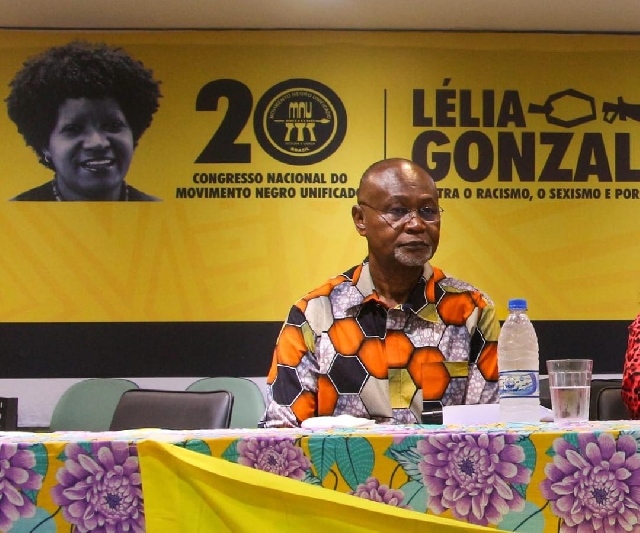
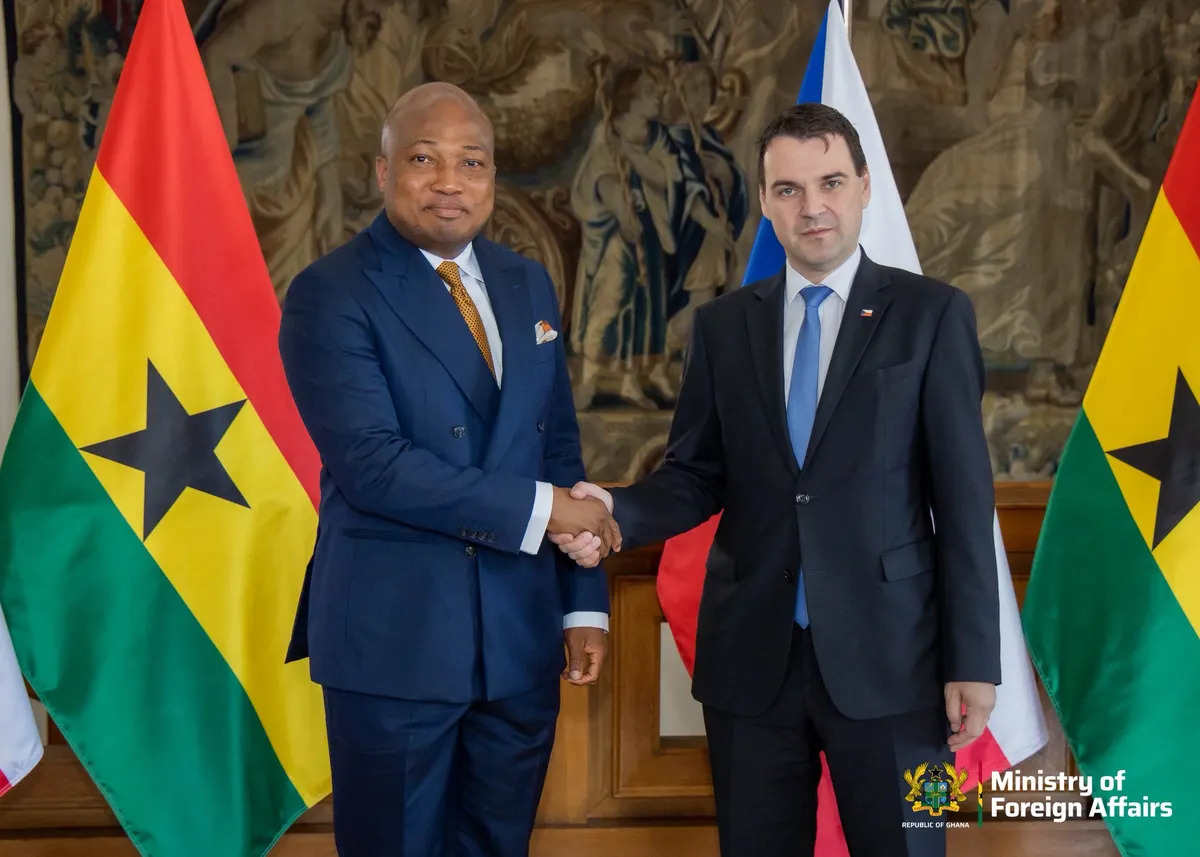
Ghana’s Ambassador to Brazil, Nii Amasah Namoale, has delivered a strong call for historical justice and global accountability at the 48th National Congress of the Movimento Negro Unificado (Unified Black Movement) in Brasília, describing the transatlantic slave trade and enslavement of Africans as the gravest crime against humanity ever committed.
Addressing political leaders, academics, civil society representatives, diplomats, and activists at the congress, the Ambassador who also serves as Ghana’s envoy to several South American countries said the scale and brutality of the slave trade remain one of history’s darkest chapters.
“This theme is not rhetorical exaggeration. It is a historical truth,” the Ambassador stated.
“For more than four centuries, millions of African men, women and children were violently uprooted from their societies, stripped of their humanity, commodified as property, and subjected to unimaginable brutality.”
The address focused on the enduring impact of slavery, colonial exploitation, and racial inequality, while calling for deeper global commitment to reparatory justice and institutional transformation.
The Ambassador welcomed the adoption of United Nations Resolution A/RES/80/250, which Ghana helped support, describing it as a major step toward international recognition of the trafficking and enslavement of Africans as crimes against humanity.
According to the Ambassador, the resolution represents “moral recognition and historical accountability” and reinforces the need for continued global conversations on justice, dignity, and racial equality.
Reflecting on Ghana’s historical connection to the slave trade, the Ambassador referenced the forts and castles at Cape Coast Castle and Elmina Castle, which served as major departure points for enslaved Africans during the transatlantic slave trade era.
The Ambassador noted that Ghana has transformed these sites into places of remembrance and reconnection through initiatives such as the “Year of Return” launched in 2019 and the subsequent “Beyond the Return” programme.
“Today, Ghana has transformed these sites into places of remembrance, healing and reconnection,” the Ambassador said. “To remember is to resist erasure.
To remember is to affirm humanity.”
On reparatory justice, the Ambassador Namoale stressed that the issue extends beyond financial compensation and must include truth-telling, educational justice, institutional reforms, racial equality, and economic development.
“The past survives in the present,” the Ambassador warned, pointing to persistent racial disparities in education, healthcare, employment, and political representation as evidence of slavery’s enduring legacy.
The speech also highlighted the role of Afro-Brazilian resistance movements, including Quilombo communities and the work of the Unified Black Movement in advancing racial justice and democratic inclusion in Brazil.
Emphasising the deep historical and cultural ties between Ghana and Brazil, the Ambassador reaffirmed Ghana’s commitment to strengthening cooperation with Afro-descendant communities across South America through cultural exchange, education, youth empowerment, and economic partnerships.
“The relationship between Ghana and Brazil possesses a unique historical and cultural depth,” the Ambassador stated.
The address concluded with a call for stronger Pan-African solidarity and collective efforts.
Tags
Ghana’s Ambassador
Brazil
Nii Amasah Namoale
Featured News
Category
Tourism & Diaspora
Sports
News
Music
International News
Health Tips
Events
Entertainment & Arts
Editorial
Culture & Tradition
Business & Tech
Have Any Question?
If you have any questions, feel free to contact us:
031 229 5629
info@twradiogh.com